A return policy can look perfectly reasonable on a page and still fail the moment a customer tries to use it. The problem is usually not the policy sentence itself. It is the gap between what the customer reads, what the team expects and what the store actually permits. Well-designed woocommerce return eligibility rules close that gap before it turns into a queue of exceptions, awkward emails and inconsistent decisions.
This is a practical guide to turning policy boundaries into a testable workflow. It is not legal advice. Your legal obligations depend on where and how you sell, so keep the policy itself under review. The goal here is operational: make the rules understandable, apply them consistently, and know where a human decision is still needed.
A return starts badly when a customer has to search an inbox, guess what information matters, then wait for someone to translate a vague email into a decision. A Shopify customer return portal is useful when it replaces that uncertainty with a guided route: the customer sees the right order, the choices reflect the merchant’s policy, and the team receives a request they can actually act on.
The important word is guided. A portal is not simply a form placed in front of every shopper. It needs to protect order access, make eligibility visible without over-promising, and leave the financial outcome where it belongs: in Shopify. This guide focuses on the customer journey and the operational hand-off, rather than the broader job of choosing a returns app.
A customer may be happy with most of an order and still need help with one line. A shirt does not fit, one component arrives damaged, or a duplicate item was added by mistake. If the return process treats the whole order as a single yes-or-no decision, the customer has to explain what they are keeping while the team has to reconstruct what can actually be resolved. WooCommerce partial returns work best when the request records the exact item and quantity at the point the customer submits it.
That sounds like a small detail, but it changes the quality of the decision that follows. The store can check eligibility on the affected item, capture the relevant reason and evidence, offer the appropriate outcome, and leave the unaffected part of the order alone. This guide explains how to design that control without making a simple customer request feel like an audit.
Returns become expensive long before the refund actually leaves your bank account. The real cost is usually hidden in customer emails, eligibility checks, shipping labels, exchange requests, refund calculations and staff trying to work out what has already happened. If you are searching for a ReturnGO alternative for WooCommerce, the important question is not simply which system can create a return portal. It is which system fits the way your WooCommerce store actually operates.
ReturnGO offers a capable returns and exchanges platform with WooCommerce support. However, some merchants may prefer a solution designed specifically around WooCommerce and managed directly within WordPress. RMA Pro for WooCommerce is built for that purpose, combining customer return requests, refunds, exchanges, store credit, rules, return methods, shipping labels and RMA management in one WooCommerce-focused workflow.
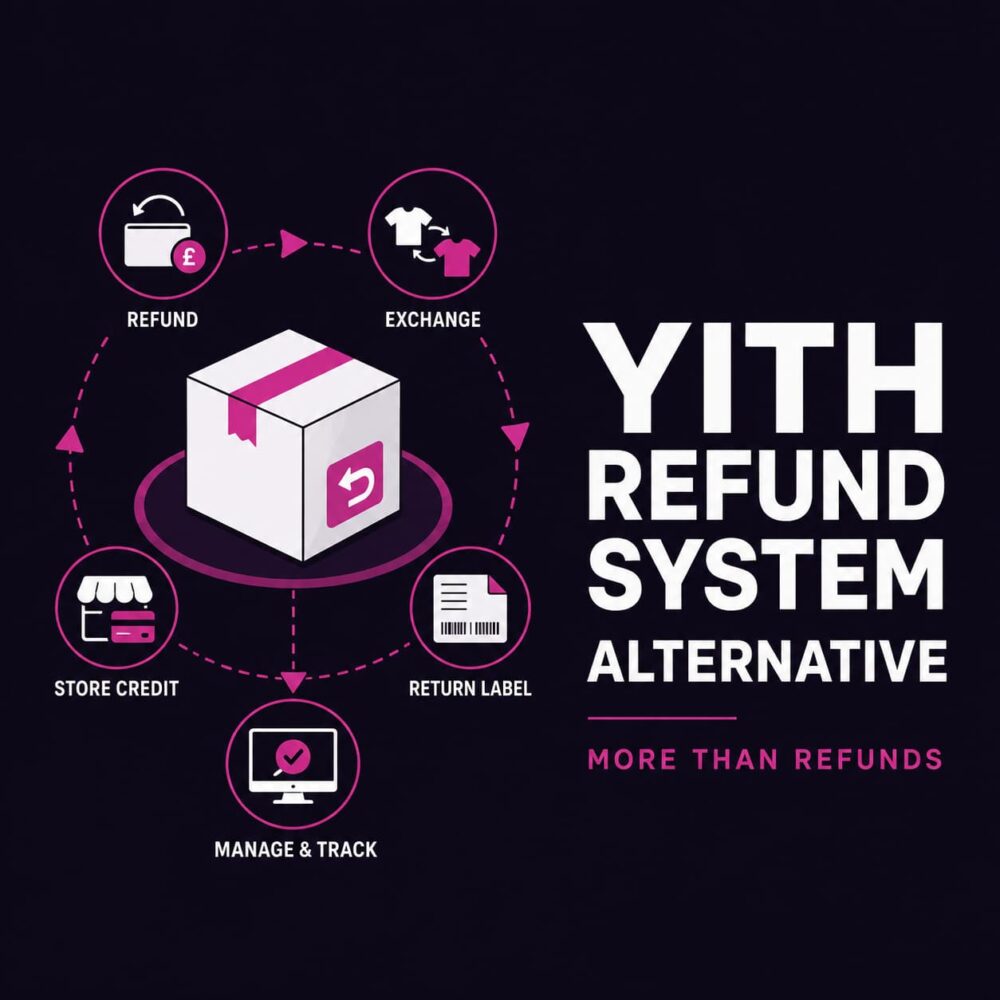
Looking for a YITH Advanced Refund System alternative usually means your WooCommerce returns process has outgrown simple refund requests. The problem is rarely the actual act of sending money back to a customer. The difficult part is deciding whether an item is eligible, collecting the right information, offering an exchange, arranging the return, tracking what happens next and keeping your team informed without creating a trail of emails and manual notes.
For stores processing more than the occasional return, that operational layer matters. RMA Pro for WooCommerce approaches returns as a complete workflow rather than treating every request primarily as a refund.
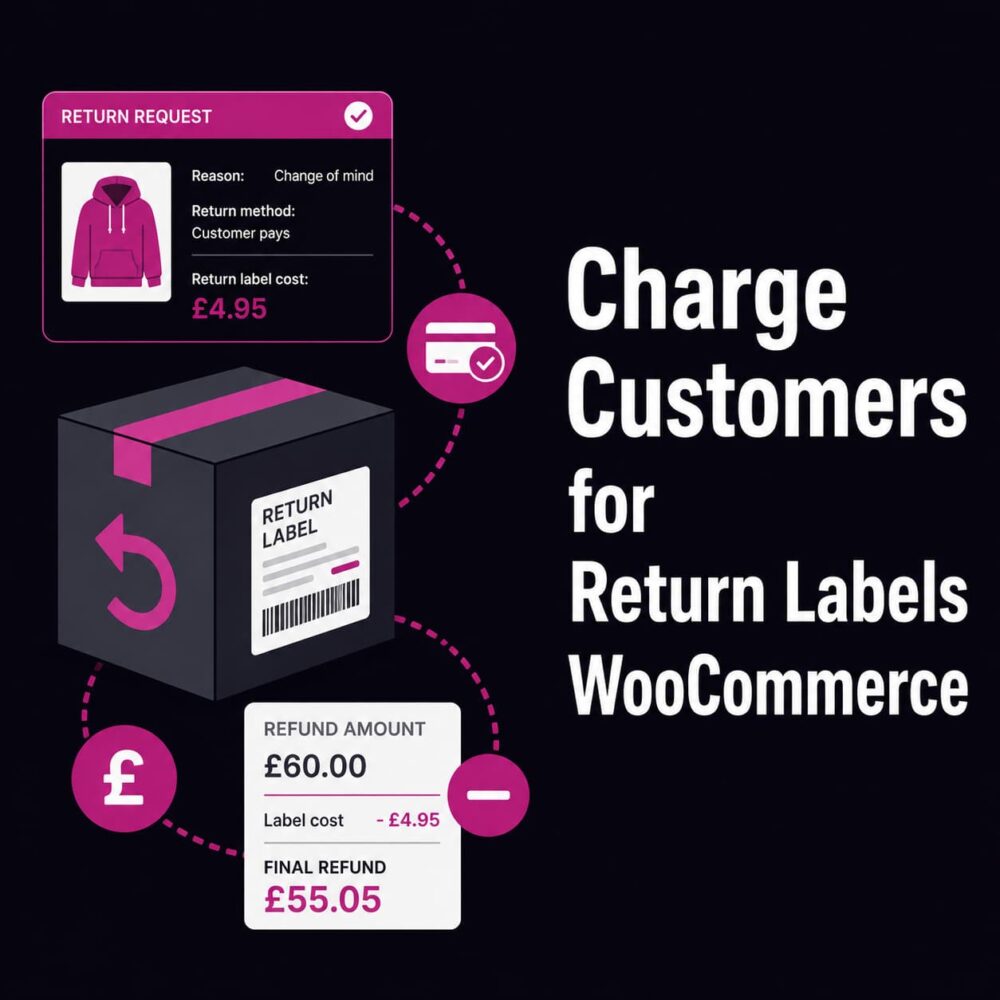
Return shipping is one of the most easily overlooked costs in ecommerce. A customer buys a product, decides they no longer want it, and the store then pays for the return label as well as processing the refund. If that happens often enough, margins can disappear surprisingly quickly.
If you want to charge customers for return labels WooCommerce needs more than a basic return form. The customer needs a clear way to request the return, understand who pays for shipping, receive the correct label and have the label cost handled consistently within the return workflow.
That is where a proper RMA system becomes useful. Instead of treating return postage as a separate manual task, RMA Pro can connect return eligibility, customer-funded labels, tracking and the final refund or store-credit resolution.
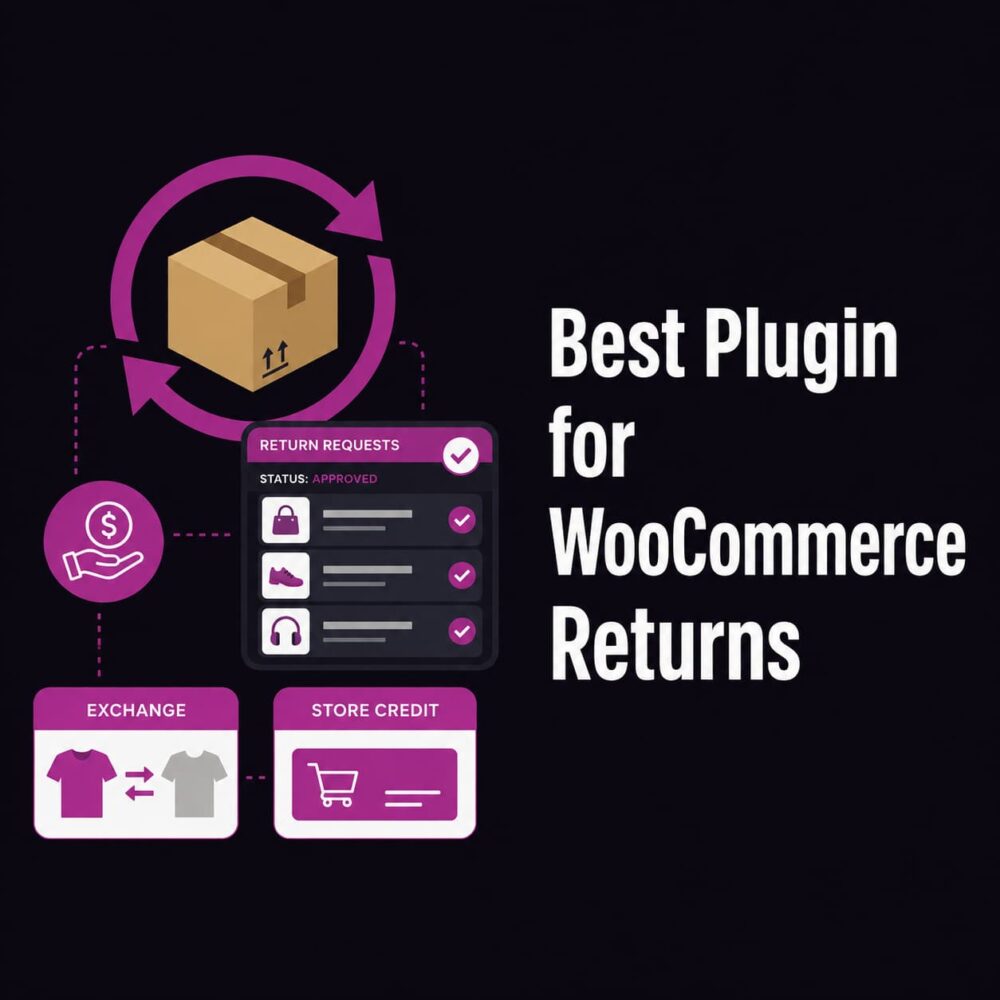
Choosing the best plugin for WooCommerce returns is not simply a matter of finding a form that lets customers request a refund. A basic form may work when a store handles one or two returns each week. Once order volume increases, returns quickly become an operational problem involving eligibility checks, exchanges, product variations, return labels, store credit, customer communication and internal accountability.
The real test is not whether a plugin can accept a return request. It is whether it can turn that request into a controlled workflow that protects revenue, reduces administration and gives customers a clear process from submission to resolution.
For serious WooCommerce stores, that usually requires a complete RMA system rather than another isolated refund tool.
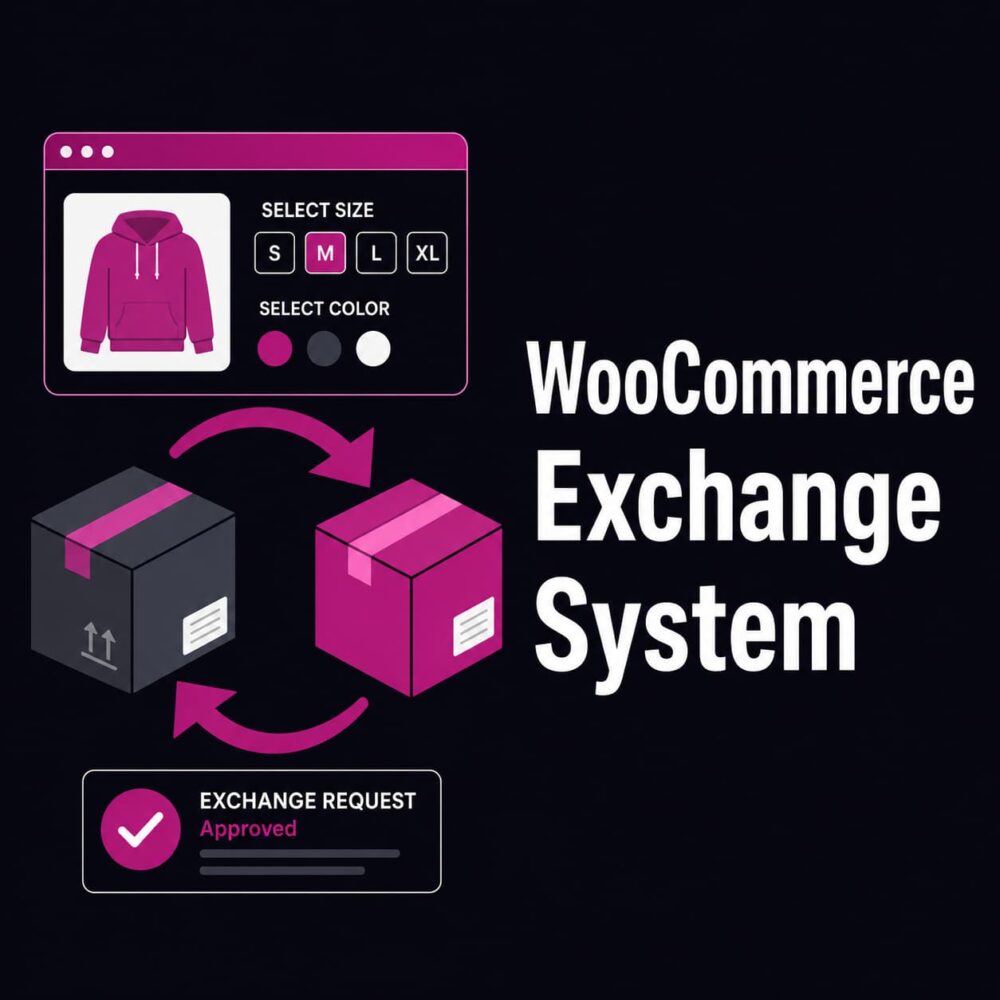
Processing an exchange should be simpler than processing a refund. In many WooCommerce stores, the opposite is true. A customer asks for another size, the support team creates a replacement order, stock is adjusted manually, return instructions are sent by email and nobody has a reliable view of what has actually been returned.
A proper WooCommerce exchange system brings those disconnected tasks into one controlled workflow. Instead of treating every request as an improvised support case, it gives customers a structured way to select items, request replacements and return products while giving the store a complete administrative record.
That matters commercially. A refund removes revenue from the business. A successful exchange can solve the customer’s problem while retaining the original sale.
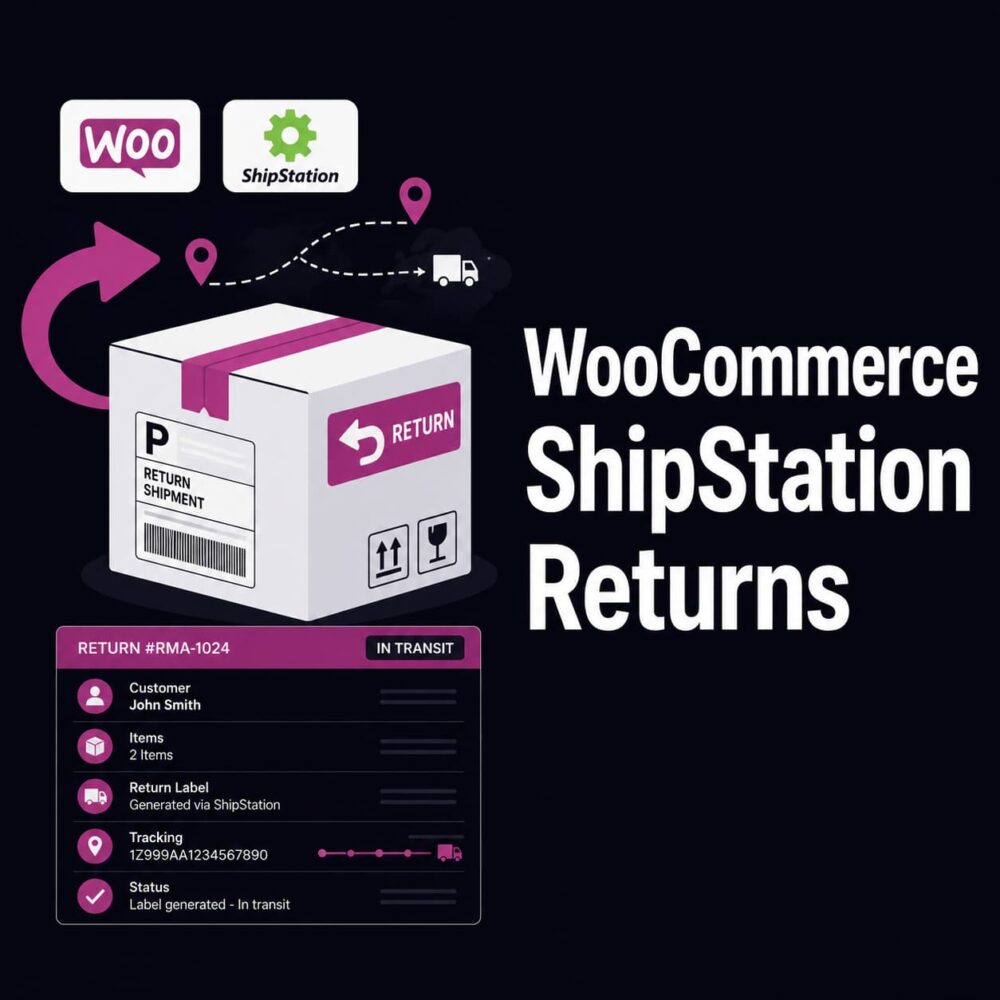
Generating a return label is only one part of managing an ecommerce return. The real challenge is connecting the customer’s request, the store’s approval, the ShipStation label, the tracking journey and the final refund or exchange. Without a proper WooCommerce ShipStation returns workflow, these steps often sit across separate systems, order notes and email conversations.
That creates unnecessary administration. Staff copy addresses into ShipStation, download labels manually, email customers separately and then try to remember which return belongs to which WooCommerce order. As return volume grows, the process becomes slower and more prone to mistakes.
RMA Pro for WooCommerce connects ShipStation return labels with a structured RMA workflow, helping stores manage return requests, approvals, tracking, refunds, exchanges and store credit from one organised process.
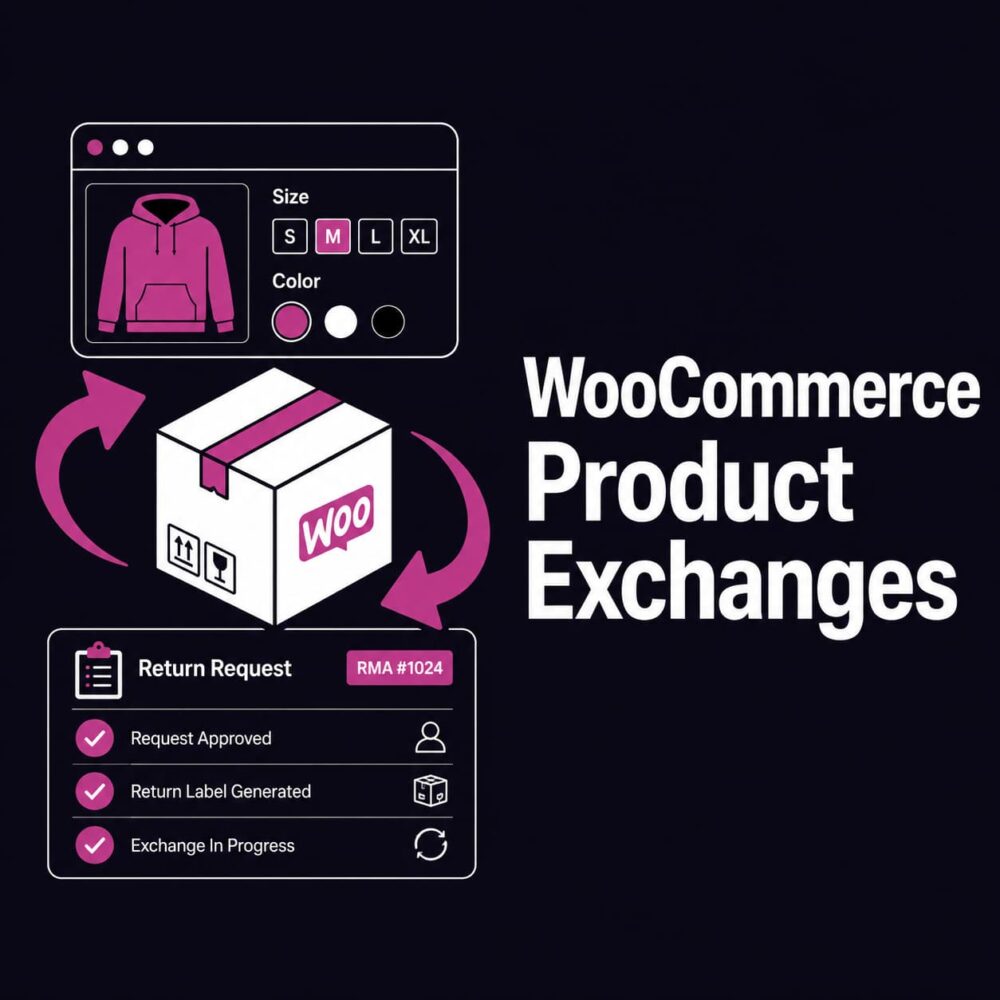
A customer wants to exchange one item, refund another and keep the remaining products from the same order. WooCommerce can process the original sale, but it does not provide a complete operational workflow for what happens next. Without a capable exchange plugin WooCommerce stores often rely on emails, spreadsheets, manual stock adjustments, improvised discount codes and disconnected refund notes.
That approach may work when a store handles two or three returns each week. It becomes unreliable once order volume increases, product variations become more complex or customers expect exchanges to be handled as smoothly as the original purchase.
A proper exchange system needs to do more than create a return request. It must identify which items are eligible, present available replacement products, calculate any value difference, control return methods, record every decision and keep the customer informed. RMA Pro for WooCommerce brings those processes together in one structured returns and exchange workflow.